The Politicization Of All Things

The Politicization Of All Things

“Everything is all politics all the time and always will be from now on”

Prelude: The Good Old Daze

Our ancestors, a term I’ve been using quite a lot and perhaps overusing, would go about their daily lives with the provisions, “Never discuss politics” and “Never discuss religion,” or some combination of the two concepts.

These operating models were deployed at work, social, and pseudo-social gatherings. Sometimes, they were even operated within family units. For example, I nearly never heard the political beliefs of anyone born prior to 1930. Perhaps people might make comment on current political events, they may even lean towards a barely perceptible editorial comment, but the display of opinion lacked real substance. Largely, people (in my life) only commented with a form of mild displeasure and mostly nonverbally, such as a “sigh” or, a “tsk.” This was in the face of major political and sociopolitical change and events. Events such as the emergence of counter cultures, equal rights movements, multiple assassinations, and even the resignation of a sitting U.S. president, not even those massive changes inspired them to create hills to die on. Unlike today, where we are encouraged to create them constantly.

In fact, the people from the generation born before 1910, never spoke of political things at all. They did not discuss current politics, they never talked about elections, and they never discussed any candidate they supported, or mentioned who they voted for. In fact, asking them for whom they voted was taken as an insult. If you asked, they would clearly and abruptly state that it was none of your business.

Note: this is merely a personal observation and not meant to taken as a standard experience template, or a unified definition of historical record. There will be a lot more of that personal inference ahead.

The reason for this was fairly transparent and simple:

  • Politics talk leads to arguments.
  • Arguments lead to ill will.
  • Ill will is bad for business.

In fact, they believed “why risk even tipping one’s hand towards a particular political polarity or other?” Odds are, considering a person’s given family origins, professional trajectory, and geographical sphere, it was fairly simple and safe to make assumptions and predictions about an individual’s political characteristics and simply carry on without any sort discussion at all.

They truly lived by the motto “the less said, the better.” I saw it firsthand for the first 25-30 years of my everyday waking life.

That all having been said, I do not idealize any of this, or see any of this as a good thing. In fact, the insular nature of sociopolitical conditions that I mentioned above significantly contributed to discrimination, fostered a lack of education, diminished political awareness, and helped to enable what was a fundamentally fetid and corrupt political system. A system by which enacted the “work of the people” quite literally for only a certian economic and racial class. Of which belonged only upper middle class (and higher) property owning white males. Everyone else got the remains of the spoils, if they were fortunate. So there will be no call-to-action from me to “return to the good old timey daze,” nor will I invite us all to pine for a bygone age when “things were better and simpler.”

POaaS – Political Opinion As A Service

Things began to shift and really not very subtly. After WWII, news publishers learned quickly that by giving politics, editorial opinion, and by reporting on current political events, people paid attention. People paying attention to their content was at the core of their business model. A prime directive to be successful, in fact.

As people responded, read, watched, and listened to political news mediums, these news mediums responded in an escalating manner accordingly. They reported more frequently and upon a wider array of issues. But, the key concept is that they were primarily reporting in a one-to-many form. A “read-only” mode of one-way communications; news and media generated content and we consumed it. This seems normal, especially for the years I’m considering here, 1938 until about 1995.

By 1995 (and really earlier) came about the advent of the common person publishing words upon commonly available platforms. News groups, bulletin boards, and directly to the web through the form of weblogs. All of which offered opinion platforms with the ability to have dialog in a two-way format. One could publish a statement, opinion, or belief and then others could comment, and so forth. This is what is known as a “conversation.” Conversations were happening all over the place, especially after 9/11. For the first time, on a large scale, news and politics began to be a two-way form of communication; now we’re no longer one-to-many on a one-way channel, we’ve migrated to many-to-many upon multiple two-way channels.

Prior to 1995, most people relied on real world conversations, letters to the editor, or perhaps to a smaller extent, called into radio programs where the host held conversation. In other words, the system, by design, kept people quiet… literally.

The dawn of twitter and facebook ushered in an broader era of push button, nearly automatic, and simple publication and conversation about all things, particularly political events, political behaviors, and the utterances of public political figures. This enabled groups to form, theories to take hold, and fostered considerable global momentum as more users entered these platforms. By “ushered in” I should really say that they kicked down the social dams and we were quite literally overwhelmed with the availability of opinion. In fact, they provided opinion as a service.

By 2015 (some may say earlier) the dynamic began to change. Twitter, based on my limited observations, held steady with the daily suffering of argument, and for the most part remains the same today, save for a few editorial controls and one missing former US president (I might need to edit this soon). Facebook however, has made several monumental changes to the way they presented information to us, how we interacted with one another, and helped us create reality distortion fields around ourselves. They fully migrated towards “Political Opinion As A Service” and promptly monetized it.

At that time, there were very few controls present. People regularly engaged in racist, terrifyingly abusive, and insanely toxic behaviors. There was bullying, racism, and all of the inglorious facets of human communication scraped from the bowels of the most base human mental states and it cascaded across our daily lives like a massive, overwhelming, and uncontrollable tsunami. Which primarily persists to this day.

We became so accustomed to adversarial dialog, that we absolutely began to pick hills to die on. They can range from personal choices, affiliations to things, and perhaps by merely stating that “I like chocolate ice cream,” we would expect and be provided with a fretful argument to the death. Again, this condition is also largely still the same today.

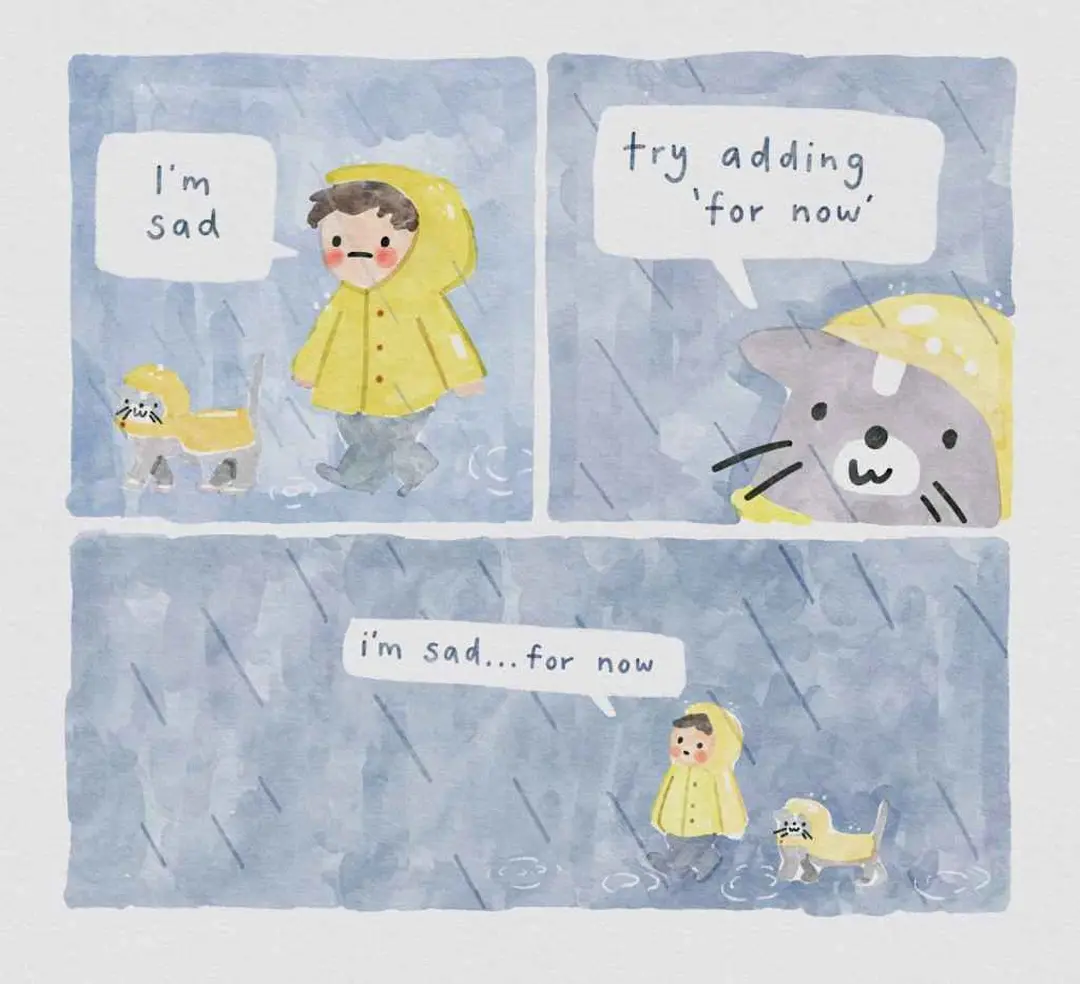
Many people operate in much the same manner as people who have experienced emotional and physical trauma. They are quick to flare into anger, they make negative assumptions automatically, they assume the worst at all times and it informs their interactions with one another to this day.

Everything Is Politics

Since 2015, we were conditioned to engage with others in an adversarial manner. Facebook reshuffled the deck in real-time in order to show to us the posts and comments on posts, from individuals and groups, that would more than likely generate engagement from us, and we all literally fell for that deception hook, line, and sinker.

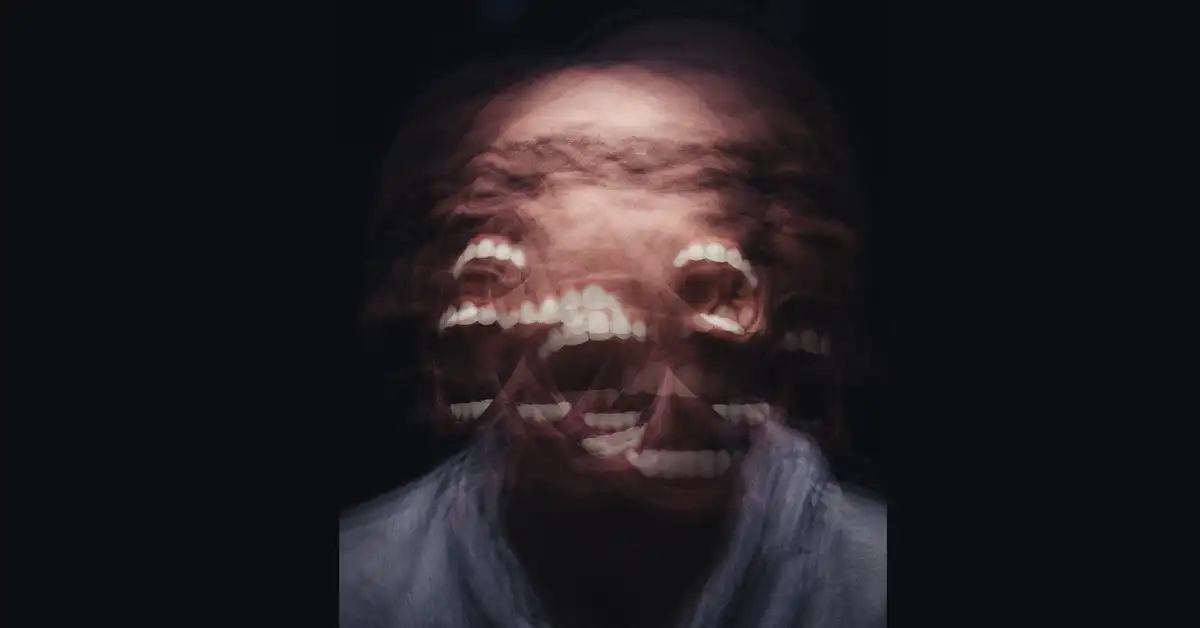
Today, there is no personal opinion left. They are all presented, discussed, and disposed of as a political polarity. Everything, even the most mundane thing, is now a political position that can trigger hostile engagement, enable a hand-wringing, clothing renting, battle to the bitter end argument. We’ve ended relationships, friendships, and abandoned family members as a result.

Everything, every single position, on every topic signals an indication as to the extent of an individual’s virtue, value, and measure. Should disagreement happen, it is taken as a personal attack and we fight on, incessantly and nearly without end.

This is not to say that agreement is a condition that is of primary importance. I do not posit that, “if we could all see one another’s views, seek common ground, and strive for understanding, we’d all be better.” In fact, disagreement is useful, helpful, and is essential to normal human communication. But, many of us have forgotten how to do it.

The trouble is, and social media exploits this extensively, all opinions are not in fact equal. We may be equally important as human individuals, but our thoughts are not always equally important.

Social media relegates all opinions as not only equal, but equally available in the same format, in the manner in which they choose to represent it. They represent it in the way in which benefits themselves. This deceives us into believing that we’re seeing an accurate snapshot of reality, and validates our reality distortions, pretty much on a second to second basis. That part has not, you guessed it, changed either.

What has changed is, due to foul, repugnant, and hateful language from one group, or another, if you post “I hate my car,” you stand a very good chance of becoming silenced, by an automated process that lacks context (more on that later) even if only temporarily.

So let’s think about that for a moment. A group of basically terrible people, sent Zuckerberg before congress, so facebook responded by automating the enforcement of “community standards” and each group who falls victim to automation moderation, blames the other group for that revolting development in our social communications model.

Meanwhile facebook still happily feeds you content that is specifically ordered to provoke you to engage for as long and as often as possible.

The worst part: We all know this as a universal and essential truth and we do it anyway. Again, and again.

This is an important hallmark of an abusive relationship.

The Future

I’m not here to provide any sort of alternative. I’m not advocating any action beyond context awareness. Contextual awareness is critical for our experience, our own betterment, and provides us with a pathway to a non-destructive relationship with one another.

As well, the problem did not begin with facebook, nor twitter, nor did it even begin with each one of us. Therefore, it stands to reason, that no action we take as individuals, or collectively will staunch the black stench of consternation that is political dialog today, in the most predominant and prevalent form it takes today, social media.

In fact, if we were to come to some magical consensus and thwart the advertising machines that enable our constant state of argument, it still will not change the nature of these publicly traded companies whom are duty bound to return shareholder value.

The very best we can hope for, at this point, is that some newer and more insipidly subtle form of exchange becomes predominant in our everyday lives. This is inevitable and inescapable.

I wish that I could say that I have a magical solution in hand, but I do not. There are alternatives, of course, but they are focused upon special and niche interest groups, not very interesting to most of us. There is the alternative to “unplug” and detach from social media, for many that’s a viable and highly functional option.

But, they are building the next platform aren’t they. See you on the metaverse?

Keep your eyes peeled.

Header Photo: by Nsey Benajah on Unsplash
Windows 11 – First Impressions

Windows 11 – First Impressions

Windows 11

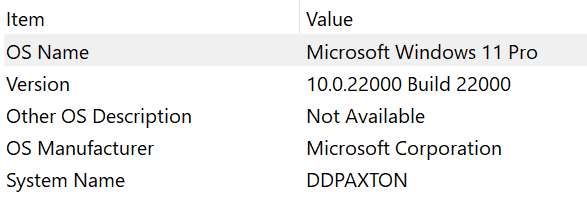
So, I’m a bit late to the game of Windows Insider builds for Windows 11. It seems that they’ve been available since June 2021. I’ve been preoccupied with other matters lately. Now I’m catching up:

My 2nd run with Win11

I missed the leak of the .iso that seemingly set the Windows tech media on notice. Not that I would have installed an .iso from a random website on my primary PC, but I do usually keep up with these things.

Windows 11 will be, at the minimum, the 21st edition of Windows that I’ve used personally and professionally. Like many others, my love-hate relationship with Microsoft goes back to Windows origins. For the large part of my everyday computing, I now use some form of Windows, despite many years of struggling to maintain a Linux, or UNIX-based daily driver.

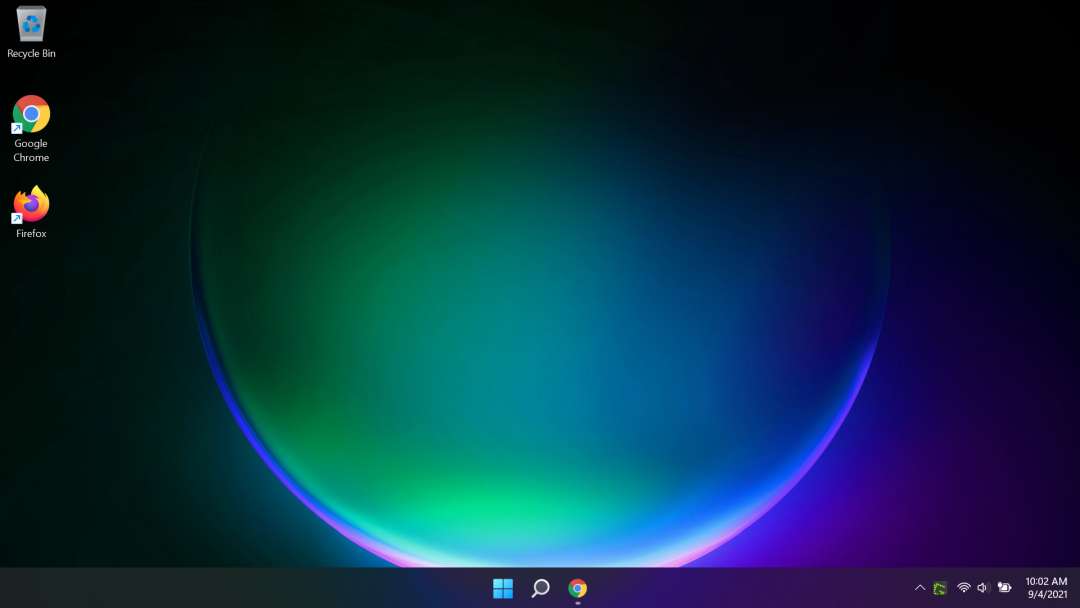
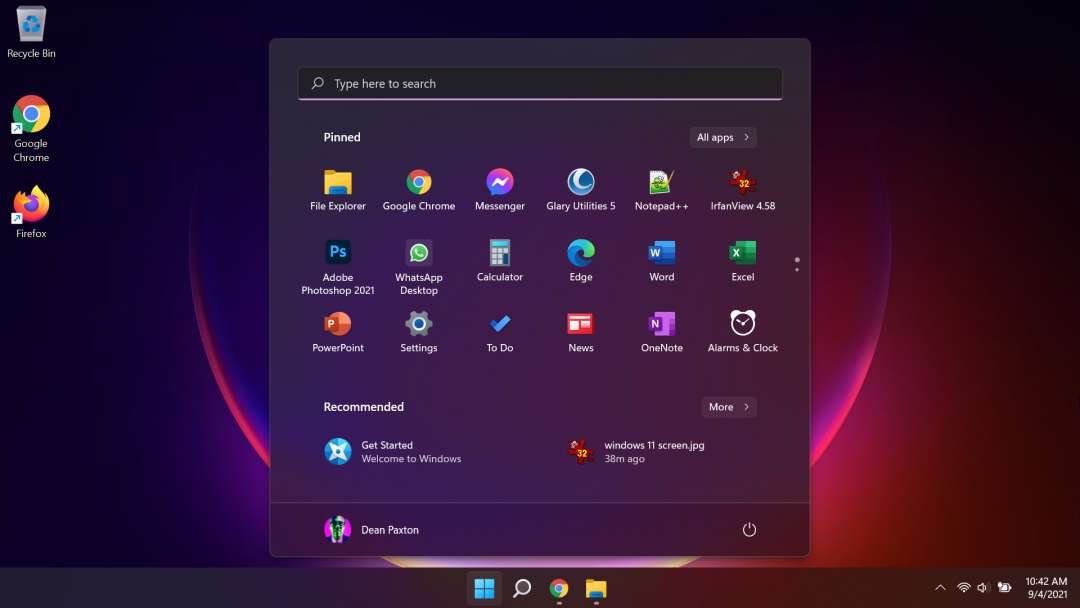
At first glance, it might seem that not a lot has changed. One might even decide that, beyond it’s Mac-like centered Start button, nothing is really all that different. For most users, that will be the case.

What’s Really Different About It?

Internet Explorer

One of the first things that I noticed was the removal of Internet Explorer. This could be of concern for companies that still need to support clients using enterprise web-based applications that simply will not work on modern and contemporary browsers. Though it doesn’t seem as though IE has much of a market share, there are quite a few people and IT orgs that still use it. Internet Explorer has an end-of-life-support date scheduled for June of 2022, so it may not seem as if it were a large problem for most, but it will become a very large problem for many IT organizations, very soon. There is a considerable amount of “technical debt” to be reconciled, not just on the front end, but on the core back end of these applications as well.

Microsoft Teams

Microsoft Teams is now part of the Windows 11 UI. Skype and Skype For Business are nowhere to be found. It seems inevitable as Teams is subsuming nearly all business support applications such as Yammer, the traditional Sharepoint UI, and MS Classrooms. We’ve seen the user counts grow from 13m in 2017, to 150m today. I see a future where Teams is the OS for enterprise devices.

Microsoft Account

While, it’s not impossible to run a Windows PC without a Microsoft account, it’s not easy either. Windows 11 makes it even more difficult to operate a computer without one. A very large part of Win11 features will not be available without one and it is not easy to obtain a copy without one either. This has been a major privacy concern for quite a few people since Windows 8. It seems inevitable that one will not be able to use Windows at all, without one.

Windows 11 Interface

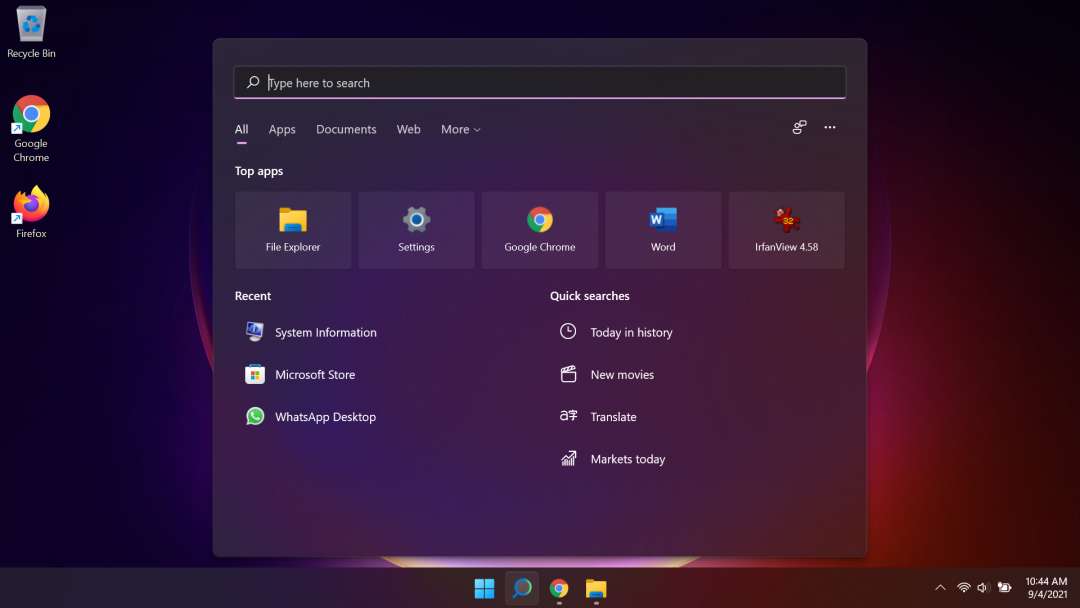
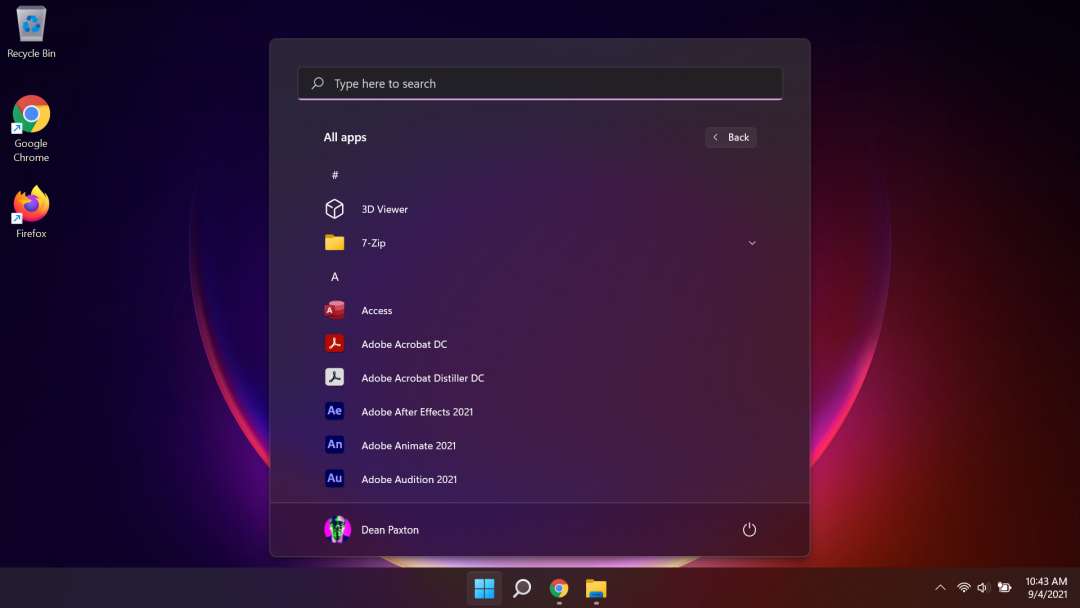
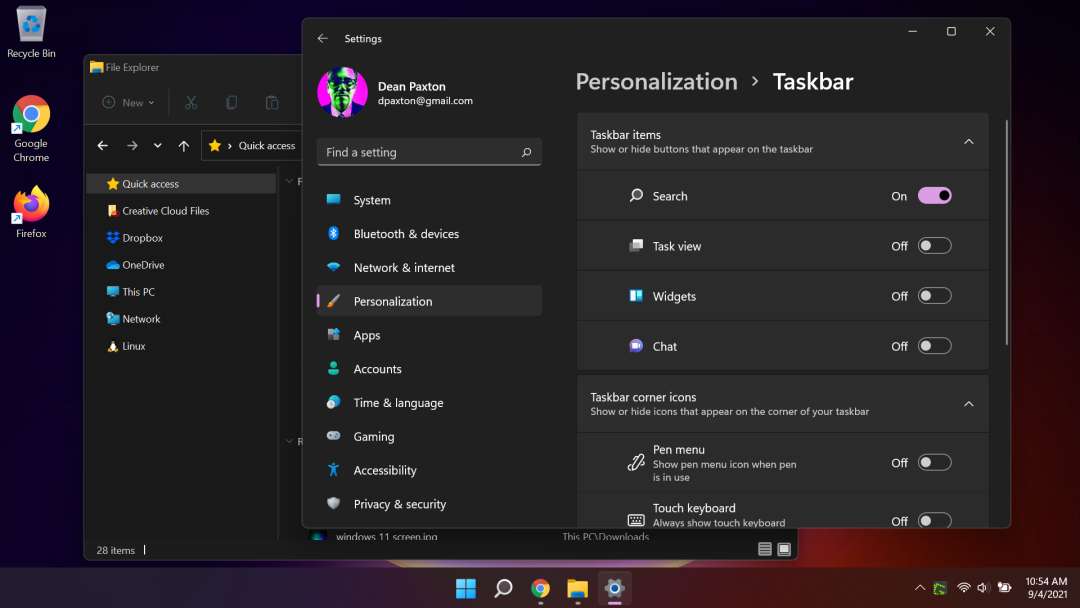
The UI elements are another step towards improving ease of use characteristics, readability, and standardization of UI functions. For me, these are welcomed changes. Fonts are clearer, better spaced, and there is more uniformity throughout. These are very, very subtle changes, but noticeable to me. Round cornered windows (though not completely universal), modern icons (again not universal), and the Start button has essentially become a launcher, not particularly a applications list as it has been for the better part of 25 years.

Overall Look and Feel

There are quite a lot of changes that are universal throughout. For most right-click events, the menu is stark and simple and all of the dozens of right-click functions that were accumulating are buried under “Show More Options.” There is considerable use of transparent items, rounding, and window tiling (snap layouts) that make it seem more modern, polished, and generally better.

File Explorer

At first glance, again… it will seem as if not a lot has changed with File Explorer. File Manager, Windows Explorer, or File Explorer has been around since at least 1990 and it’s core functionality remains largely the same. Essentially, a user interface that provides a metaphorical way in which to interact with files, subsystems, connected devices, and cloud storage schemes. But, we still spend an enormous amount of time in it. For many, it’s still the way in which we interact with our content. So for those, like me, even the smallest changes have considerable impact. Windows 11 File Explorer, in my opinion, is much better. It’s more readable, more configurable, and while it may appear simpler, it is more powerful. Newer icons, ribbons, and right-click menus are present.

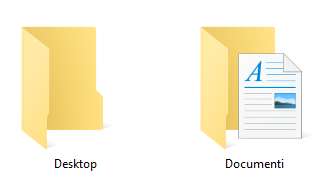
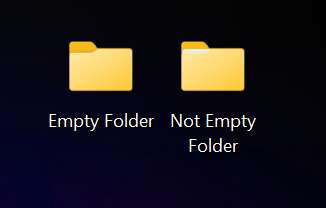
There are some UI quirks that will likely be worked out, hopefully. For example, folder previews seem gone and are now merely indicate, if files exist in a folder and not very well. There’s now only a tiny white strip to indicate if a folder contains files, or not.

Windows Subsystem for Android

Though not in the initial preview releases, the Windows Subsystem for Android is reportedly able to allow Windows 11 users the ability to install and run Android applications, from Google Play, or the Amazon app store (perhaps even at the .apk level as well). It seems to have shown up in the Windows App Store, but apparently it does not function. It currently is not in the Windows Insider preview builds.

Great, but is it any good?

It does feel a bit strange having a centered taskbar. 25 years of muscle memory has had most of us instinctively reaching for the lower left part of the screen. To me, it was not, nor is it a huge paradigm shift. I was used to it very quickly, as in just a few minutes quickly. I have not used the “auto hide the task bar” function in many years and I’ve found myself trying it on again.

It’s smoother, faster, more readable, font sizing and spacing is finally very nice, and most of all it seems more mature… another “finally.”

Like most Windows releases, there are good and bad ones. I think that, for me, I rather do like what I’ve seen thus far. Gone are the Windows 8.0-era metro design elements like tiles, which I feel were not good. I never used them, set them up, or integrated them into my workflow.

I suspect that some things will change significantly when the first release is available. Windows 10 is still under long term support until 2029, so there’s not a huge hurry to rush out and try it. Unless you are an enthusiast, developer, system builder, or IT professional, there is no need outside of curiosity and a desire to be an early adopter.

How To Get It?

If you want to run Windows 11 now, there are two ways to get it, that are official, though in some cases not fully supported. Make sure that your device is robust enough to satisfy Microsoft first, however.

1). Join the Windows Insider program:

Within Windows 10, under the “Update” section of your PC, you can join the Windows Insider program and opt for one of the three “bands,” or “channels” of Windows previews. “Release Preview” “Beta,” and “Dev.” The Beta and Dev channels will automatically download and install Windows 11 preview builds if your system meets the criteria. The Release Preview will only deploy Windows 10 pre-release features.

If you navigate to the Windows Insider homepage, you will see that you can, in fact, download .iso files for clean installs.

2). Download and clean install the .iso from elsewhere, not Microsoft (not a great idea for most use cases):

Go to uupdump.net and find the version that fits your hardware and edition use case (ARM/Intel/AMD). Make a bootable USB key with Rufus, or similar bootmakers. And follow your system to boot from USB and install the version you selected. Likely, if you know how to do all of that, you don’t need me to explain any of it. If you do NOT know how to do any of that, I recommend you avoid this pathway. This methodology is strictly for systems administrators, systems builders, and application developers who have a lab, spare hardware, and time to explore these builds and learn how they will affect their support, build, and development processes.

Carol Janice Osborn Brown Paxton Hodge Aird – September 10, 1942 – January 4, 2021

Carol Janice Osborn Brown Paxton Hodge Aird – September 10, 1942 – January 4, 2021

Carol Janice Osborn

As some of you may be aware, for much of my life, I have been trying to locate my mother. Note, that I do not refer to her as a “birth mother” as I was not technically adopted by someone else, though I have had many, many honorary mothers who readily volunteered for the role and continue to manifest

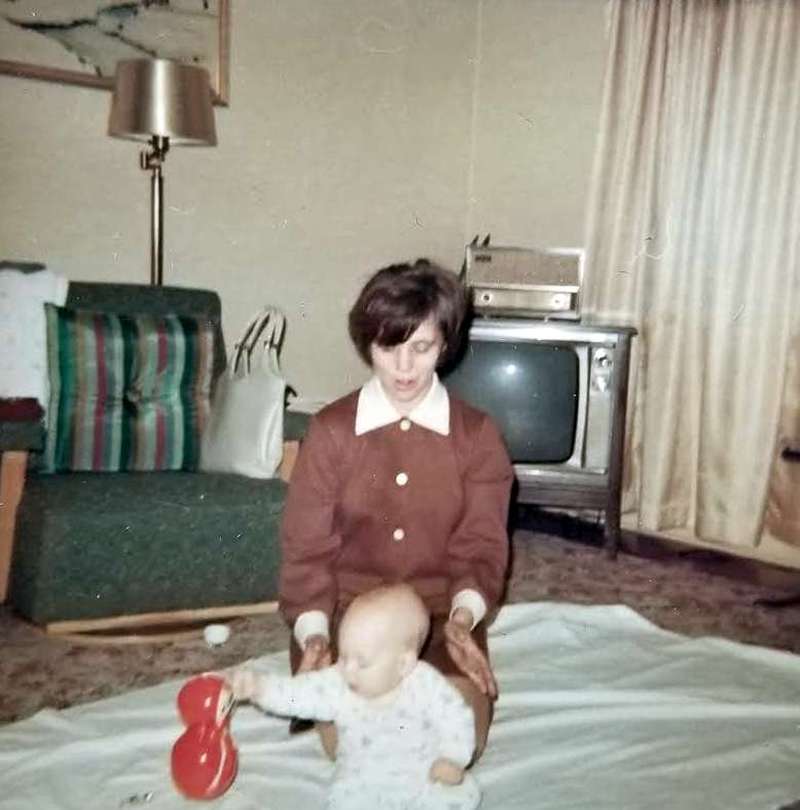
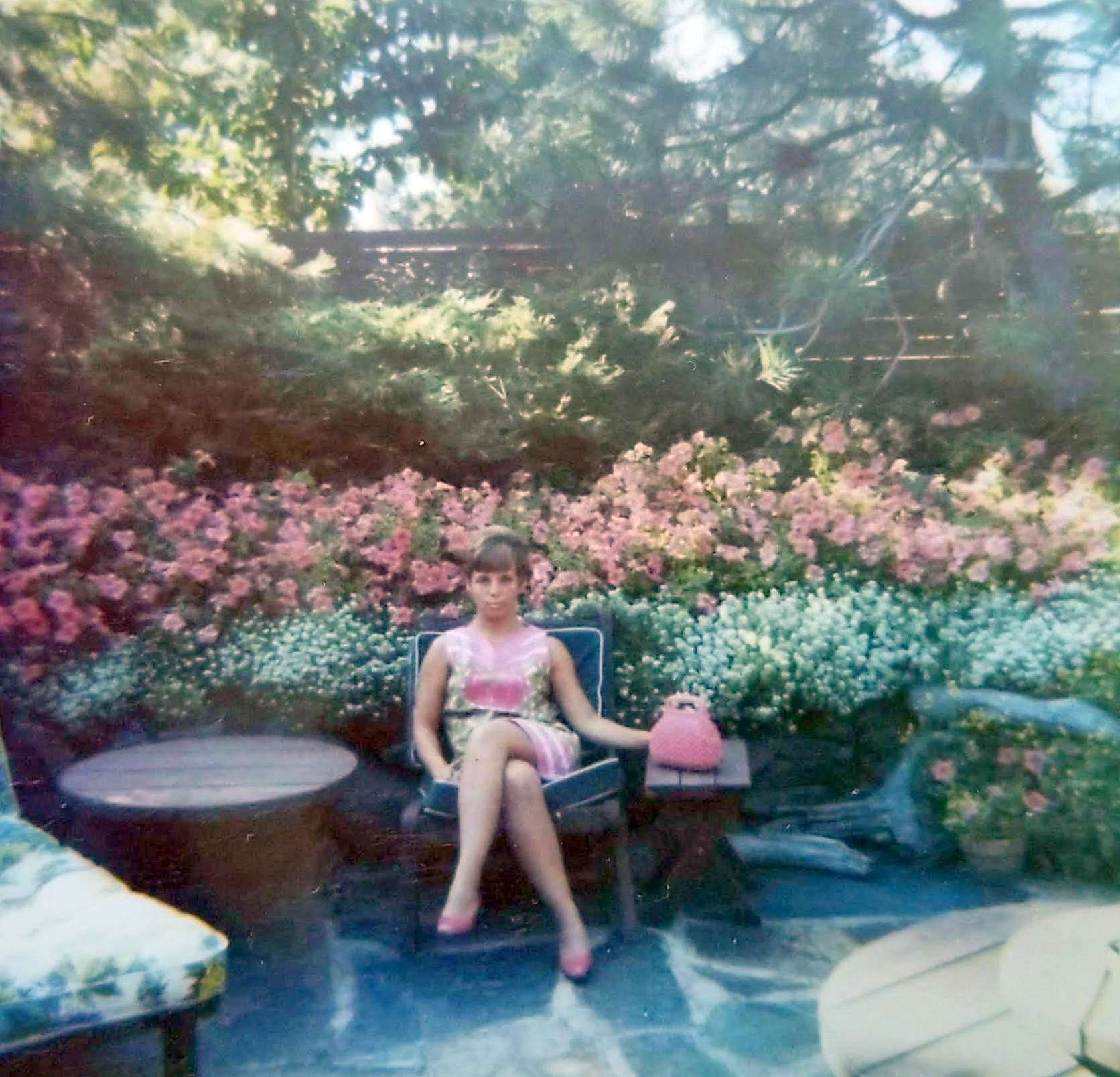
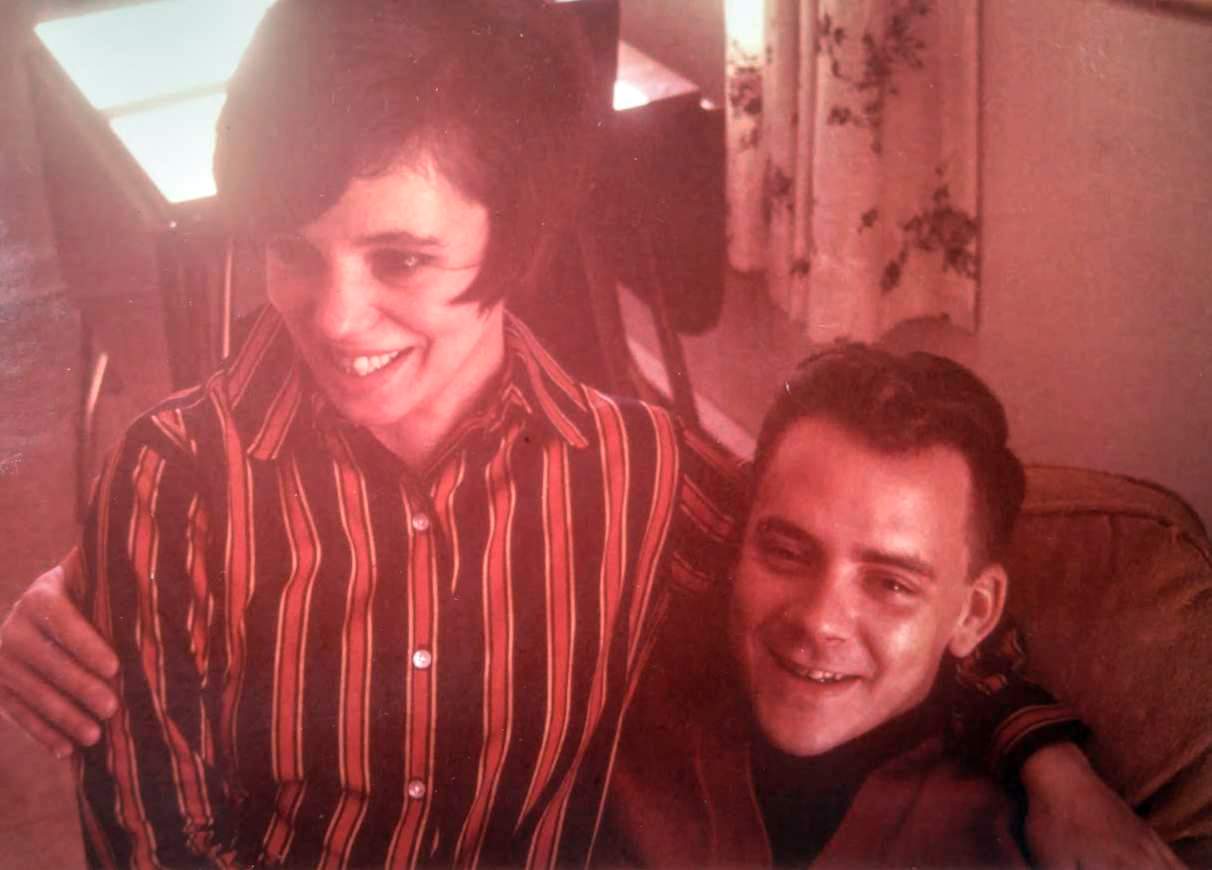
C. D. Paxton, Carol Osborne-Paxton – November 1967

A bit of backstory

My mother left me behind in Flint, MI in late spring of 1973. I lived with my grandmother and great-grandmother (on my father’s side) until I was just past 17 years old. I moved into my own house at that time, in 1984. I had not heard from her, seen her, or heard word of her and her whereabouts since that day.

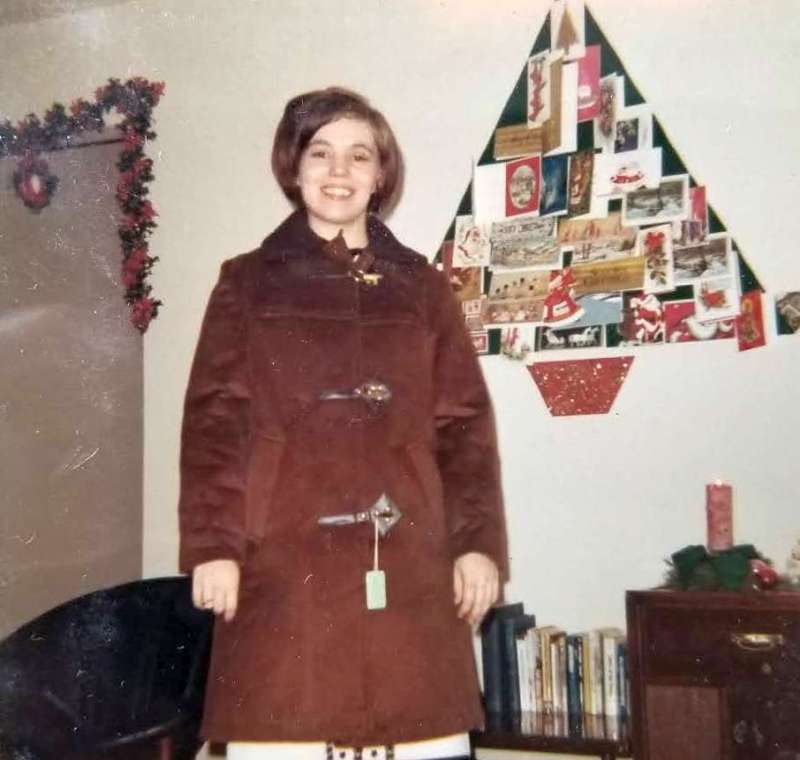
Carol Osborne-Paxton – December 1967

She was often spoken of by my grandmother and great-grandmother, sometimes disparagingly. Other times sympathetically. They were judgmental people who lived in a very, very small and rarified environment. Their entire world consisted of their own limited experience, the very small group of relatives and friends they had, and little else consisted of their world view. Most importantly, they quite often, as many do, used other people’s perceived characteristics, words, and deeds to invalidate them while validating themselves. Needless to say, neither of my parents, myself, or anyone for that matter, scored well on that set of measurements.

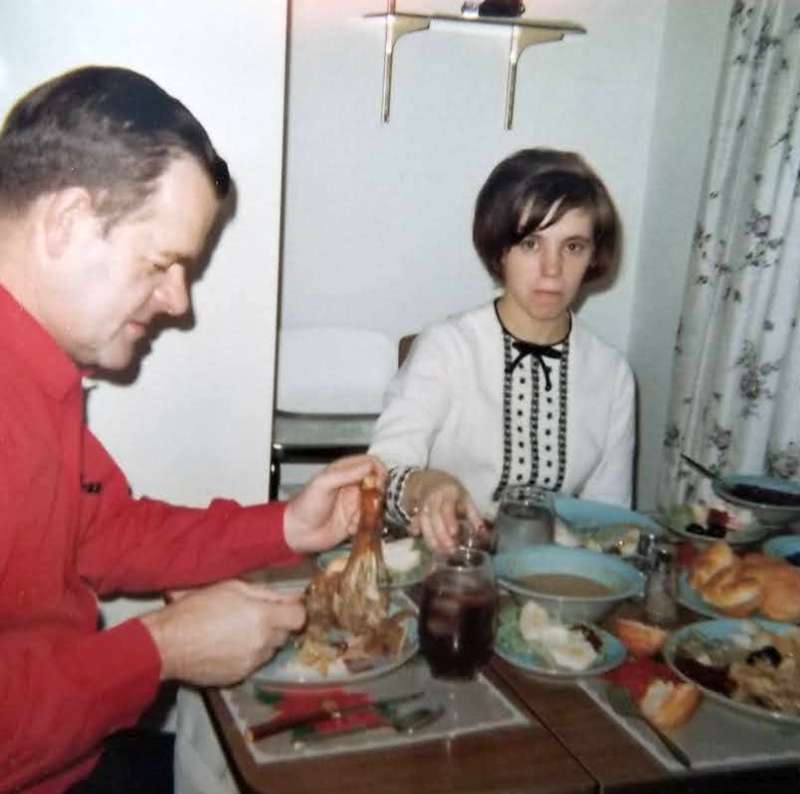
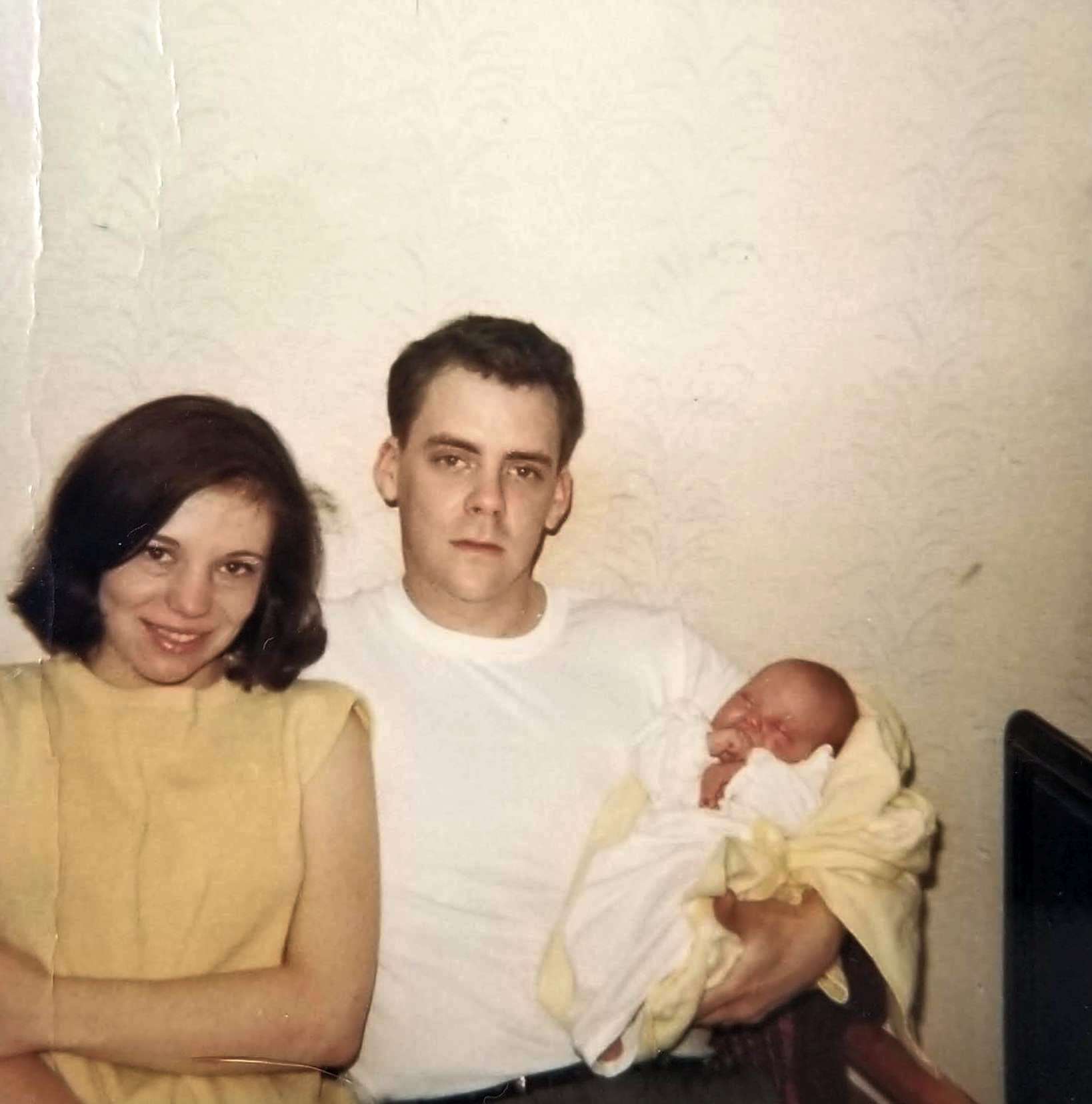
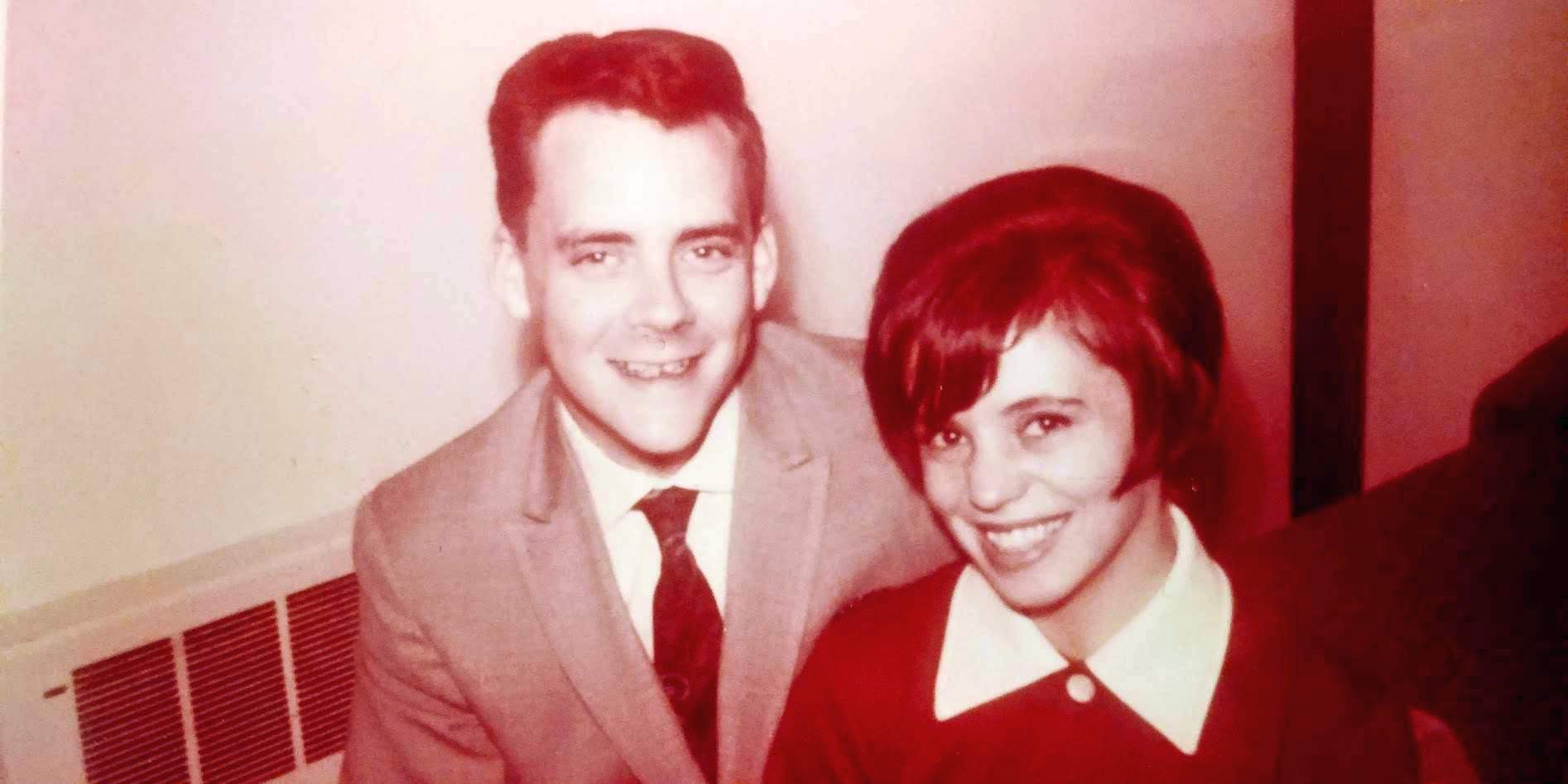
Carol Osborne-Paxton, Dean Paxton – December 1967

Fast forward a bit

Several times over the years, I made efforts to locate her. In fact, the reason I am so accessible and easily located online largely is due to her. I had always hoped she, or her potential and subsequent relatives would try and locate me. I wanted to be sure I was easy to find. For the best part of 25 years, I have used my real name and made sure that even my name resolved to a domain for ease of access. I will likely revisit that notion going forward. Regardless, despite all efforts she was a virtual ghost in nearly all systems and directories.

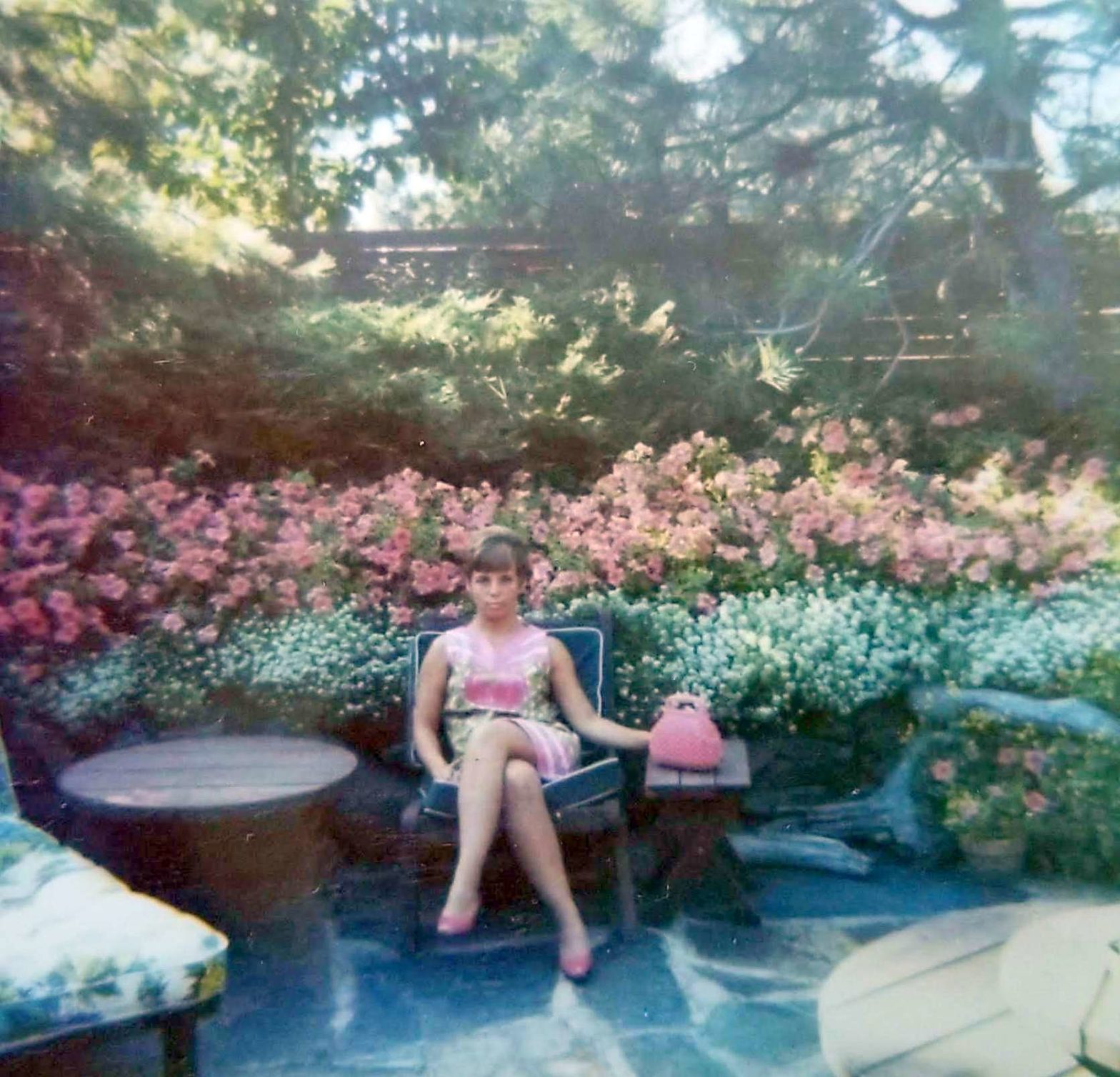
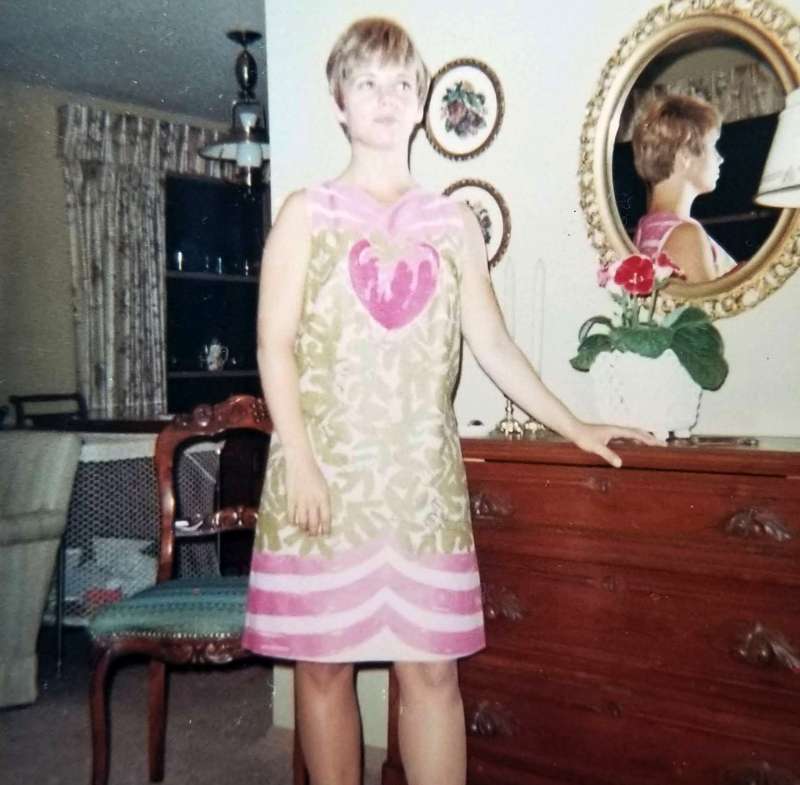
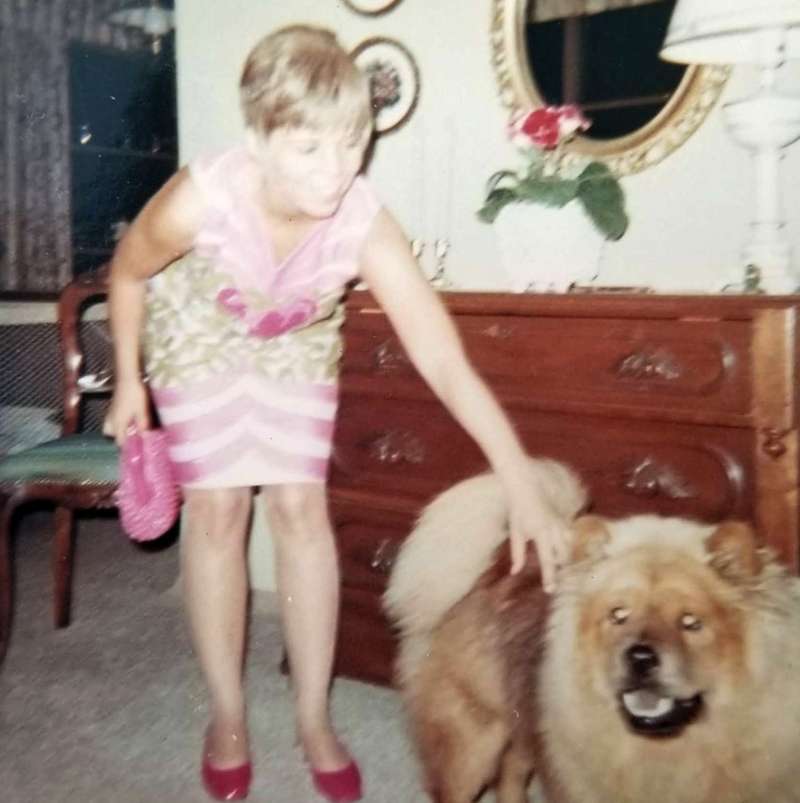
Carol Osborne-Paxton – July 1967

Her name yielded no census records, no court records, and no tangible publicly available information. Paid people search services presented only impostors and close matches to her. At one point, a friend who is a bail bondsman and private investigator, tried to locate her and found virtually nothing. He stated that without a social security number, she would likely not be found. Ironically, in all of the documents, forms, licenses, and legal material I have saved, I did have her social security number, but overlooked it many times.

Eureka?

Carol Osborne-Paxton – July 1967

In 2016, I thought that I finally had some luck in finding her. It seemed that her present husband had died. Thus, his death created a record and left a tangible match for her name as “Carol Janice Aird” under her current married name. My father resolved to become involved, mostly at the request of his granddaughter, and wrote to her and her copied his letters to her husband’s named relatives at the address that we were able to determine was her likely residence. But, we received no reply.

By this time, I’d resigned myself to leave her at peace and to stop trying to find her. Even when asked by her grandchildren. My logic was, at that time, whatever her reasons for remaining so steadfast in not contacting me, in any way, shape, or form, she stuck to them strictly and did not deviate. I’d often rationalized that it was easier to have a relationship with her than it was my father, whom I maintained a strained and sporadic relationship with for my entire life.

Carol Osborne-Paxton, David Paxton- April 1967

Closure

When my father died on May 28, 2021, I was searching our email correspondence to find some potential cousins, nieces, and nephews on his father’s side of the family. Mostly to let them know he had died. He had been in contact with some of those people scattered about Michigan, Ohio, Kentucky, and elsewhere. Some of the emails that we had exchanged about her resurfaced. I saw her full and newest married name and I decided to try and search for her again. This is when I discovered that after searching for nearly 40 years, largely without a trace, I have finally located my mother.

Carol Osborne-Paxton – July 1967

The top search result for her name was her obituary from the funeral home reads as follows:


https://www.jewellrittman.com/obituaries/Carol-Aird/

Carol Janice Aird, 78, of Columbus, died at 7:00am, January 4, 2021, at her residence.

Carol was born September 10, 1942 in Washington State, the daughter of Howard Ross Osborn and Virginia Cole Osborn. She married Dennis William Aird in 2006 while living in LaPorte, Indiana. He passed away in 2014, after returning to Indiana to be with family.

Though Carol’s early life is vague her stories would captivate anyone in the audience. She spoke of being a civilian in France and serving troops through the USO. Later in life Carol enjoyed working in sales for LeCreuset Stoneware Company. Carol was also a very talented artist. She loved animals, especially dogs and horses.

She was preceded in death by her parents and her husband.

No services are planned.


Instantly, I knew that this was indeed my mother. The photo in the obituary was not only unmistakably her, it was the first time I had laid eyes on her for 48 years.

Here’s the email that I sent to my father after he died. I realize it seems kind of odd, but it is well within the spirit of our established communications model:

David Paxton – June 13, 1944 – May 28, 2021

David Paxton – June 13, 1944 – May 28, 2021

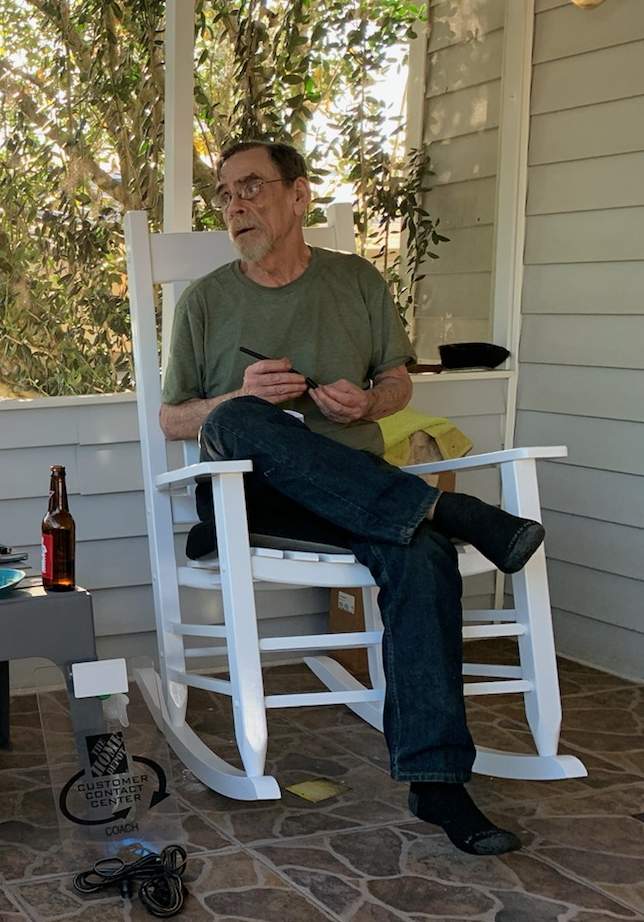
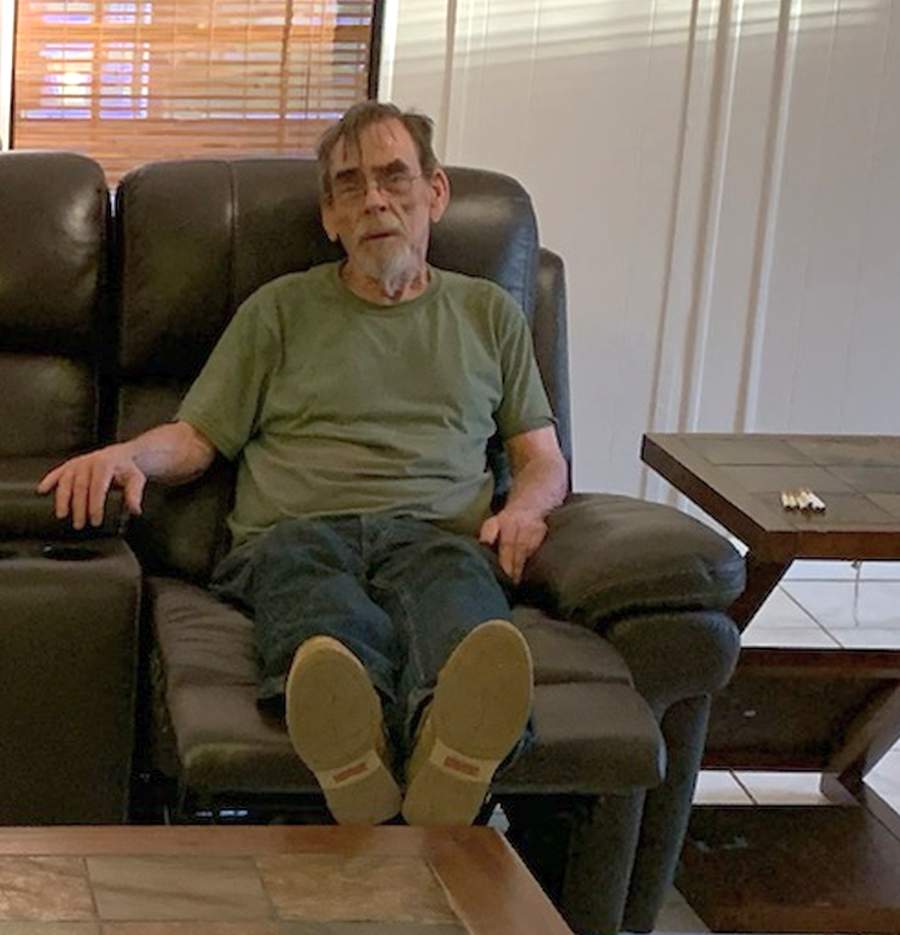
David Paxton

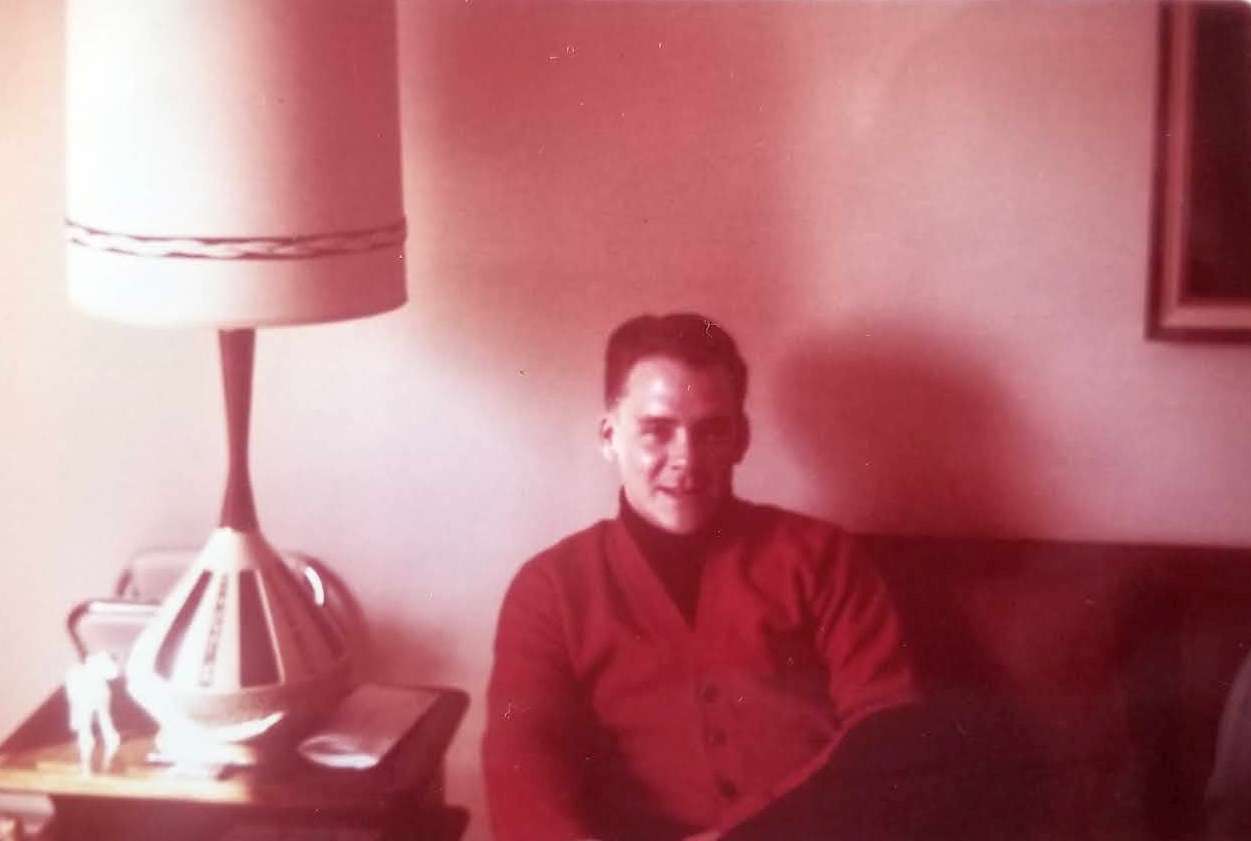
David Paxton – May 2021
David Paxton – April 1969
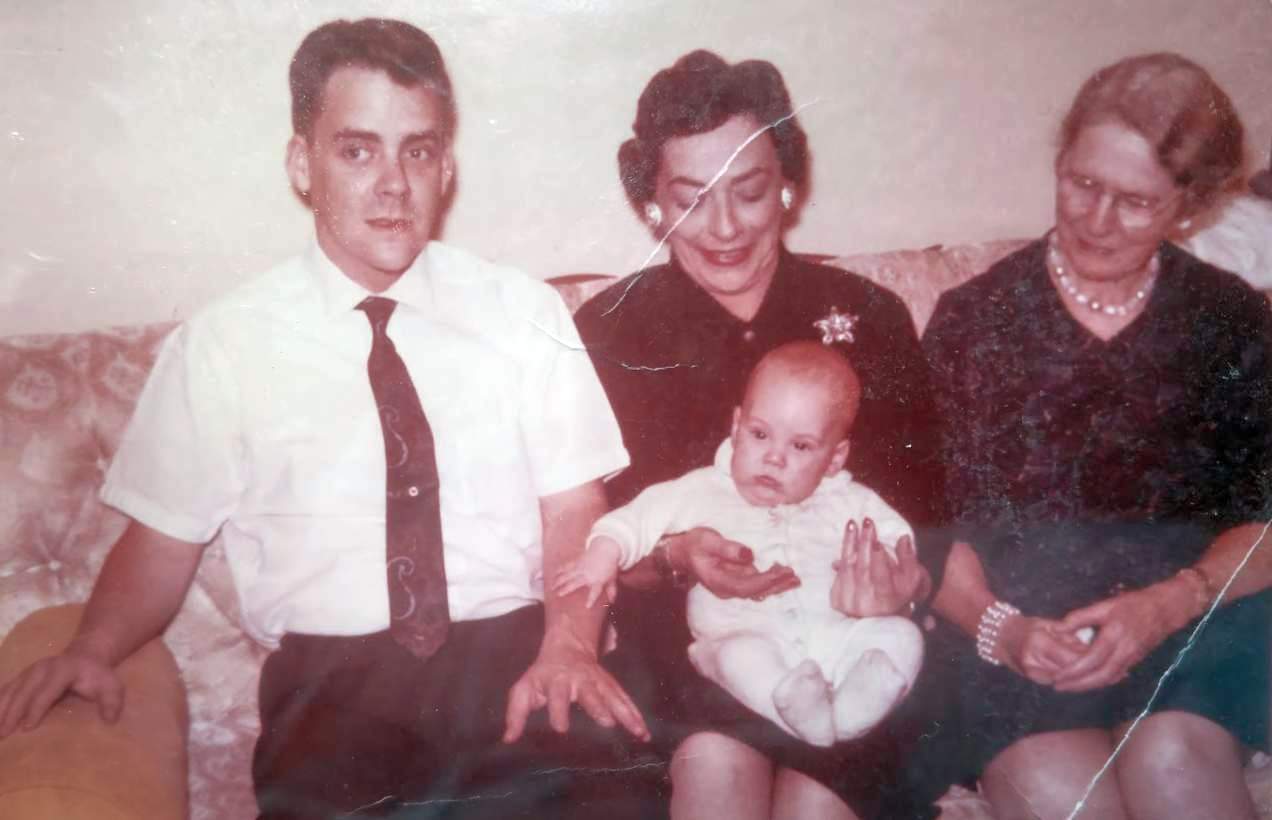
(L-R) David Paxton, Frances Paxton, Dean Paxton, Mamie Orendorf – December 1967
David Paxton, Carol Osborne-Paxton – December 1967
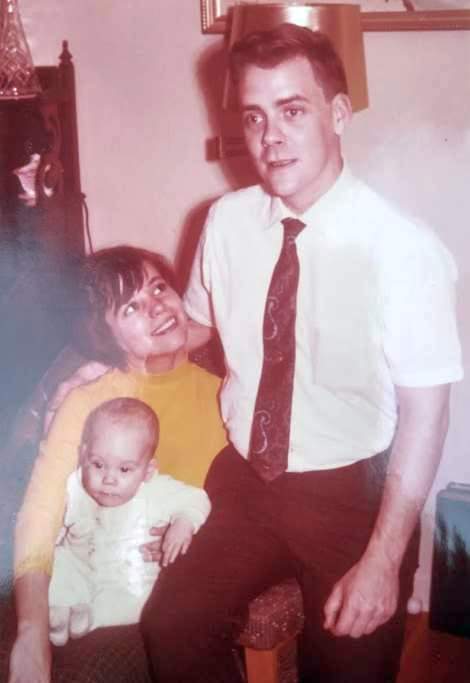
Dean Paxton, Carol Osborne-Paxton, Dean Paxton – 1967
Carol Osborne-Paxton, David Paxton – August 1967
David Paxton – August 1967

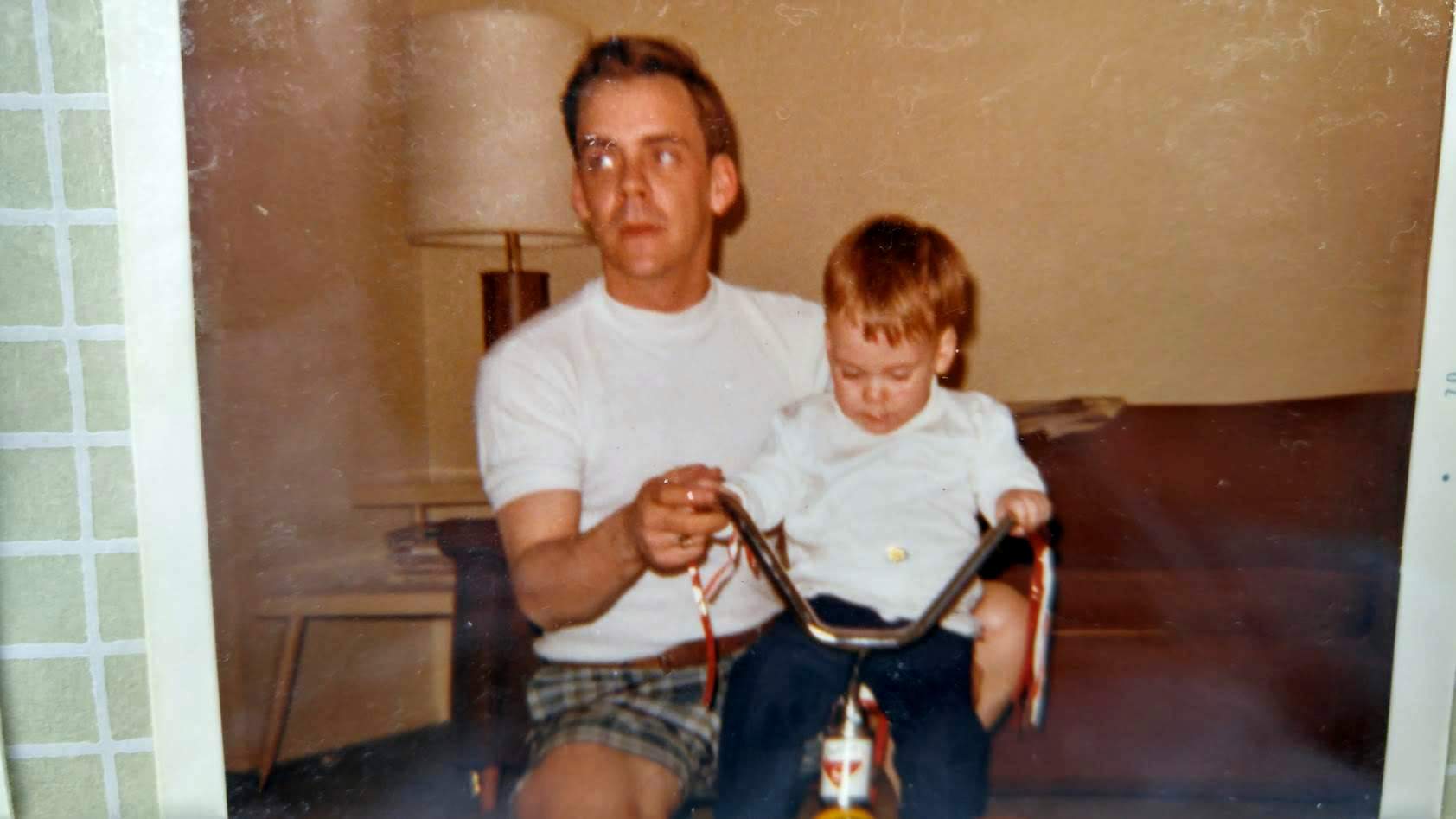
My father, David Paxton, who would have wished that I posted more and would have hated this post… unexpectedly died yesterday.

His mother was Mary Frances Paxton of Flint, MI and his father was C.D. (Dee) Paxton of Genesee, MI. They preceded him in death in 1994 and 1999 respectively. David was born in Newark, New Jersey in 1944 and lived in Flint, MI, Pittsburg, PA, Tampa, FL and traveled the world many times over as an executive for Westinghouse and later ADP. His final home was in Brandon FL, outside Tampa FL. 

My dad was just a few days shy of his 77th birthday.

He was just starting a new chapter of his life as he had just sold his home on Oakwood Ave, in Brandon FL and had moved into his new home just a couple of miles away in Valrico, FL. He was there for just five days and had not even fully unpacked, or stocked his kitchen yet.

From March 2020, he was mostly shut into his old house as we all weathered the pandemic. He did receive the second dose of Moderna the day prior to his death. He was adamant about avoiding the virus until he could be immunized and saw it as a passport back to normal living. Perhaps as some of us do. He was looking forward to resuming normal activities and he was starting to feel much better as he was having some health problems within the last 3-5 years.

He greatly anticipated being able to visit with his friends, resume his normal pattern of weekly outings, and was even looking forward to a potential trip to Michigan to visit his many grandchildren and great-grandchildren. In November, we were planning a trip to Valrico FL to visit and he was planning a holiday flight to Michigan in late 2021. 

He was happier, more optimistic, and ready to begin a new chapter in life as change was very difficult for him to process, plan, and execute. He was doing his very best, especially with help, support, and encouragement from his many friends. 

At the moment, we are planning the next steps and will try to determine the best way to celebrate his life. 

He was an acutely charismatic, intelligent, and funny person. Sadly however, he thought he was a bad person and secluded himself away from everyone.

In this is a lesson for all of us. We’re all accepted, included, and acknowledged. Anyone who says otherwise, is full of literal s**t.

Audio above: someone, likely using a people finder directory, tried to scam my father. He did briefly fall for it, but offered his entire credit line to try and help his grandson Damian. It was easily debunked and he felt badly. But, he unquestionably volunteered to assist. Take care of your elders, they are falling victim daily to these sorts of scams.

5-29-2021 Updates:

I will be traveling to Valrico/Brandon within the week. We are planning my father’s life celebration for the week of June 6th, 2021. We will likely have it that Tuesday. I will post an update here and to the email list of the exact place, date, and time.

There will also be a second memorial happening in October. Many people who knew my father are traveling and wintering in the north, or in the west. We will gather together then to be able to accommodate those traveling at the moment.

A few people have asked me what David’s middle name was. David did not have a middle name. He went by “David,” “Dave,” and “Paxton.” To some, as a nod to his demeanor, he was also known as “Sir Paxton.”

5-30-2021 Update:

The woman depicted above is indeed my mother, for the couple of people that have asked. I’ll have an upcoming update about that as soon as I can.

6-8-2021 Update:

As promised, I’ve an update about my mother….


If you need to reach out to Dean, this form will reach him quite quickly and directly: